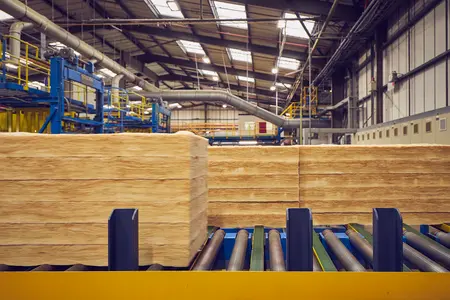
Acoustic Floor Insulation
Create more comfortable spaces by reducing noise with acoustic floor insulation
Insulating floors, whether they’re suspended timber or solid concrete, is important to help improve the acoustic performance of the adjacent spaces. Adding insulation, such as mineral wool, between joists also helps to reduce heat loss and can improve energy efficiency.
Take a closer look at the benefits of acoustic floor insulation
There are lots of advantages to adding acoustic floor installation, such as sound insulation and thermal insulation. Let’s look at the core elements.
Acoustic performance
The non-continuous structure of the glass fibres that make up glass mineral wool impede the passage of sound. This can be used in systems to reduce airborne sound transmission and improve acoustic insulation when installed in accordance with the manufacturer’s system installation guidance. For our system information, please refer to the British Gypsum White Book specification selector.
Thermal insulation
The small pockets within the mineral wool structure trap air, which is a poor conductor of heat, and significantly reduces heat transfer, making mineral wool an effective thermal insulator. Used as part a system to provide thermal insulation, mineral wool can help to improve thermal efficiency and reduce overall energy costs.
Reaction to fire
A significant number of our Isover glass mineral wool products achieve Class A1 reaction to fire to BS EN 13501-1, this is the highest level of performance. Please check Declaration of Performance for individual product’s reaction to fire classification.
Isover acoustic floor insulation products
Mineral wool can help to increase the acoustic and thermal performance of floors.
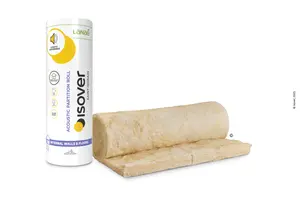
Isover Acoustic Partition Roll (APR 1200)
Acoustic Insulation for Internal Stud Walls and Floors
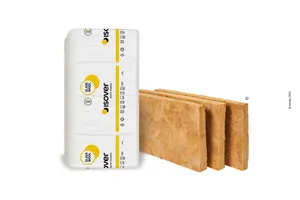
Isover Acoustic Slab
Acoustic Insulation for Internal Applications
Learn more about acoustic floor insulation
Get to know acoustic floor insulation better with these articles written by our development teams and insulation specialists.
Learn how acoustic insulation helps reduce sound in homes, creating comfortable environments

Explore how managing sound with acoustic insulation can help improve focus, safety and comfort