
Separating party wall insulation
Party wall insulation delivers acoustic and thermal performance
Between separating party walls, whether this is in timber frames, steel frames or masonry cavities, there is an air gap. Using mineral wool party wall insulation in the air gap can help to improve both acoustic and thermal performance.
The separating wall between two dwellings provides the physical, thermal and acoustic separation of the dwellings. There is a minimum permitted acoustic specifications defined by Approved Document E (England & Wales) and Section 5 (Scotland), although it is often recommended to improve on this where possible.
Take a closer look at the benefits of party wall insulation
There are lots of advantages to using mineral wool party wall insulation, from reducing sound transmission to energy efficiency. Let’s look at the core benefits.
Acoustic performance
The non-continuous structure of the glass fibres that make up glass mineral wool impede the passage of sound. This can be used in systems to reduce airborne sound transmission and improve acoustic insulation when installed in accordance with the manufacturer’s system installation guidance. For our system information, please refer to the British Gypsum White Book specification selector.
Thermal insulation
The small pockets within the mineral wool structure trap air, which is a poor conductor of heat, and significantly reduces heat transfer. This makes mineral wool an effective thermal insulator. Used as part a system to provide thermal insulation, mineral wool can help to improve thermal efficiency and reduce overall energy costs.
Reaction to fire
A significant number of our Isover glass mineral wool products achieve Class A1 reaction to fire to BS EN 13501-1, this is the highest level of performance. Please check Declaration of Performance for individual product’s reaction to fire classification.
Isover mineral wool products
Mineral wool for use in party wall insulation can help to create a more comfortable environment for both sides of the wall, through airborne acoustic insulation and thermal performance.
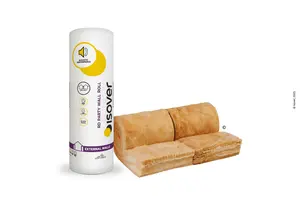
Isover RD Party Wall Roll
Acoustic Insulation for masonry cavity separating walls
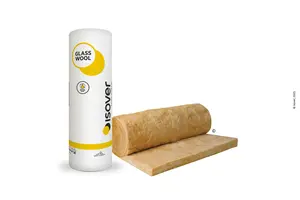
Isover Timber Frame Roll 40
Thermal Insulation for Timber Frame Walls
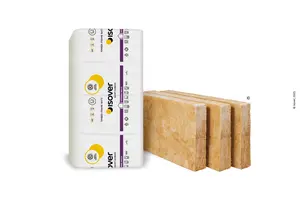
Isover Timber Frame Batt 32
Thermal insulation for timber frame walls
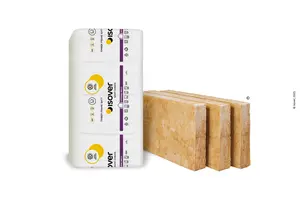
Isover Timber Frame Batt 35
Thermal Insulation for Timber Frame Walls
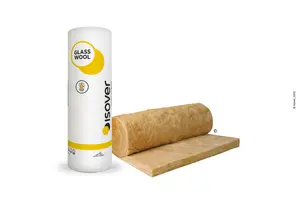
Isover Timber Frame Roll 32
Thermal insulation for timber frame walls