
Reducing the impact: How insulation can help to cut the carbon cost of our spaces and places.
Most buildings and spaces consume energy for heating, cooling, ventilation – and a share of that can get lost through walls, roofs, ductwork and openings. Insulation can be used to improve the thermal performance of building elements; this reduces the heat loss and in turn helps reduce the carbon emissions from heating or cooling of the building in use. To help cut carbon, you need to look at both the operational carbon (during the use of the building) and embodied carbon (from production, logistics, etc . of the construction materials).
Isover is addressing carbon reduction by innovating not only in product design to improve energy efficiency of buildings, but also in how its products are manufactured, transported and delivered. Let’s explore how the shift toward electrification and more sustainable logistics is helping reduce carbon emissions across the value chain.
Insulation can help to reduce carbon over time
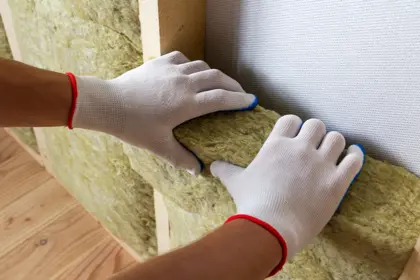
Let’s start with the basics: a well-insulated building will need less energy to stay comfortable – this can lead to a reduction in heating and cooling demand. This will mean savings in energy used, which can lead to an operational carbon reduction. To calculate the carbon saving, you take into account the embodied emissions from manufacturing and delivering the insulation, and the operational emissions from building energy usage (once occupied), and from this you can calculate the payback period for the investment in the building fabric. Net carbon savings delivered by constructing buildings that have excellent thermal performance can start relatively early in the life of the building.
Reducing the impact from the production of insulation
To help cut the embodied carbon of glass mineral wool or stone mineral wool insulation, the way it’s manufactured plays a key role. Traditional mineral wool insulation factories rely on fossil fuel energy to melt raw materials (glass, rock, etc.). Isover has been making moves to shift that balance toward renewable energy. One example is at Isover’s Runcorn facility in Cheshire, where they’re continuing to deliver on their environmental commitments – for example, all electric equipment in the plant is powered by 100% renewable electricity.
Looking ahead, Isover is planning a new stone wool insulation factory in the UK at Melton Mowbray that will use all-electric melting technology powered by renewable electricity. That factory is expected to come online around 2027 and help lower the embodied carbon of future insulation volumes sold in the UK.
Sustainable logistics
Manufacturing is one part of the puzzle, moving the product is the next. Even lower-carbon insulation still creates emissions when it’s shipped long distances using diesel trucks. Isover has tackled this problem by upgrading its logistics approach.
In the UK, Isover’s distribution fleet is now 100% HVO-capable (hydrotreated vegetable oil), and its heavy goods vehicles have started to run on this lower-carbon alternative to normal diesel where possible. HVO is considered a renewable fuel, typically giving significant greenhouse gas (GHG) reductions over fossil diesel.
This switch helps to reduce our customers’ Scope 3 emissions (those emissions from the supply chain) by lowering the carbon cost of getting insulation on site.
Isover is also redesigning its packaging to be more sustainable. At its Runcorn plant, new packaging was rolled out in 2025 that uses 30% recycled content and reduced ink usage. These improvements can help to lower waste and reduce the carbon impact associated with packaging materials and disposal.
Final thought: let’s insulate in a smarter way to further reduce carbon
From electrifying processes to rethinking packaging, every step toward greater sustainability makes insulation an even stronger choice. The more sustainable the insulation’s production and delivery, the lower its carbon impact is as a solution.